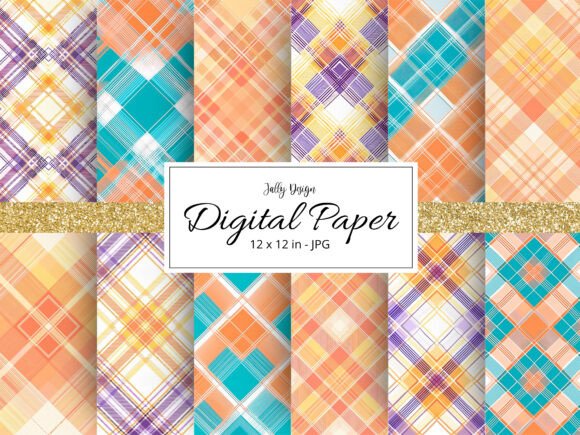
The Art of Digital Craft: Elevating Projects with Watercolor Plaid Seamless Patterns
In the evolving landscape of digital design and physical crafting, the intersection of traditional aesthetics and modern technology has given rise to a versatile medium that bridges the gap between hand-made charm and scalable precision. Among the most sought-after resources for designers, educators, and hobbyists alike are Watercolor Plaid Seamless Patterns. These digital assets offer more than just a visual backdrop; they provide a foundational texture that imbues projects with warmth, sophistication, and a touch of rustic elegance. Whether you are a professional graphic designer preparing assets for print or a hobbyist looking to add a personal flair to handmade gifts, understanding the utility and application of these seamless textures is key to unlocking their full potential.
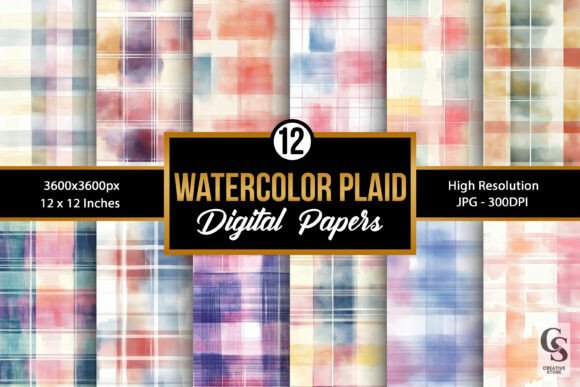
The appeal of plaid patterns lies in their inherent versatility. Historically associated with tartans, heritage brands, and cozy winter wear, plaid has transcended its origins to become a staple in interior design, fashion, and stationery. When rendered in watercolor, however, the rigid geometry of traditional checks softens. The bleeding edges, subtle color variations, and organic imperfections characteristic of watercolor painting introduce a sense of humanity and artistry that vector graphics often lack. This article explores the comprehensive benefits, technical specifications, and diverse applications of high-quality digital paper sets, specifically focusing on collections containing twelve distinct watercolor plaid designs.
Understanding the Technical Specifications
Before diving into creative applications, it is essential to understand what makes a digital pattern resource truly valuable. Not all digital downloads are created equal, particularly when the end goal involves high-quality printing. A premium set of Watercolor Plaid Seamless Patterns typically adheres to specific technical standards that ensure usability across various platforms and media.
First and foremost is resolution. In the world of print, image quality is paramount. Standard screen resolution (72 dpi) is sufficient for web use but results in pixelation and blurriness when printed. High-resolution files, specifically those at 300dpi, are the industry standard for professional printing. This density ensures that every brushstroke and color gradient remains crisp and clear, even when scaled up for larger formats like wall art or large-format gift wrapping.
Furthermore, the dimensions of these files play a crucial role in workflow efficiency. A file size of 3600 x 3600 pixels equates to a perfect square at 12 inches by 12 inches when printed at 300dpi. This dimension is not arbitrary; it aligns perfectly with the standard sizing for scrapbooking paper, cardstock, and many digital planning templates. By providing files in this exact aspect ratio, creators save significant time on cropping and resizing, allowing them to focus on the layout and design rather than technical adjustments.
The format of the files also matters. While some digital artists offer PNG or SVG files, JPG files remain a ubiquitous choice for raster-based design work due to their compatibility with almost all design software, from Adobe Photoshop and Illustrator to Canva and Microsoft Publisher. A well-organized zip file containing twelve unique patterns allows users to have a cohesive yet varied palette, ensuring that they can mix and match designs without breaking the visual harmony of a project.
Practical Applications in Design and Crafting
The true value of Watercolor Plaid Seamless Patterns is realized in their application. Because these patterns are seamless, they can be tiled infinitely without visible breaks, making them ideal for backgrounds and wraps. Below are several key areas where these digital papers excel.
Stationery and Greeting Cards
One of the most popular uses for watercolor plaid textures is in the creation of personalized stationery. The soft, artistic nature of watercolor complements the sentimental value of handwritten notes and greeting cards. Designers often use these patterns as full-page backgrounds, overlaying white or dark text boxes to create invitations, thank-you notes, or holiday cards. The plaid motif adds structure and interest without overwhelming the message, striking a balance between decorative and functional.
Scrapbooking and Journaling
For scrapbookers and journal enthusiasts, Watercolor Plaid Seamless Patterns serve as excellent base layers. When creating digital scrapbook pages, users can layer multiple patterns to create depth. For instance, a bold red and green plaid might be used for a Christmas-themed page, while a muted blue and grey variation could suit a nautical or autumnal theme. In physical crafting, these patterns can be printed directly onto cardstock to create custom journal covers, dividers, and decorative accents that tie a entire album together.
Gift Wrapping and Packaging
Custom gift wrapping is a growing trend among consumers who wish to present gifts with a unique, boutique feel. Using high-resolution digital papers, individuals can create bespoke wrapping paper designs at home. The seamless nature of the pattern ensures that when the paper is wrapped around a box, the design continues smoothly across seams and folds. This is particularly effective for corporate gifting, wedding favors, or holiday presents, where branding or thematic consistency is desired.
Digital Planning and Organization
The rise of digital planners on tablets has created a new market for aesthetic background assets. Educators, students, and professionals use digital journals to track goals, schedules, and ideas. Watercolor Plaid Seamless Patterns provide a calming yet structured backdrop for these digital tools. Unlike busy, chaotic patterns, the watercolor style offers a soothing visual experience that reduces cognitive load, making it easier for users to focus on their content. The 12x12 inch size is particularly convenient for designing planner stickers, cover pages, and section dividers.
Home Decor and Wall Art
Interior design trends have seen a resurgence in textile-inspired wallpapers and prints. Watercolor plaid patterns translate beautifully to large-scale wall art. Because the images are high-resolution, they can be printed on canvas, metal, or matte paper and framed for a sophisticated look. These patterns work well in nurseries, home offices, and living rooms, adding a touch of classic charm with a modern, artistic twist. Additionally, they can be used for tumbler wraps, laptop skins, and phone cases, extending their utility beyond the page.
Advantages of Digital Over Traditional Methods
Why choose digital watercolor plaid patterns over purchasing physical paper packs? There are several compelling reasons related to cost, sustainability, and flexibility.
- Cost-Effectiveness: Purchasing a single pack of physical designer paper can cost upwards of $5 to $10. A digital download offering twelve high-resolution patterns is often available for a fraction of that price. Furthermore, once purchased, the files can be printed an unlimited number of times, eliminating recurring costs.
- Sustainability: Digital assets reduce waste. Physical paper scraps, misprints, and shipping materials contribute to environmental impact. By printing only what is needed, crafters can minimize their carbon footprint.
- Accessibility and Speed: Digital files are available instantly. There is no waiting for shipping, and there is no risk of damage during transit. Users can access their assets from any device with an internet connection, making them ideal for last-minute projects.
- Versatility in Editing: Unlike physical paper, digital files can be manipulated. Colors can be adjusted, opacity can be changed, and elements can be layered. This allows for endless customization, enabling a user to tweak a blue plaid to match a specific brand color scheme without needing to purchase a new product.
Considerations for Implementation
While the benefits are clear, successful implementation requires attention to detail. When working with Watercolor Plaid Seamless Patterns, consider the following best practices.
Color Management: Digital screens display colors using RGB (Red, Green, Blue) light, while printers use CMYK (Cyan, Magenta, Yellow, Key/Black) ink. There is often a discrepancy between how a color looks on your monitor and how it will appear in print. To mitigate this, always request proof prints before committing to large batches. Adjusting saturation and brightness slightly in your design software can help compensate for this shift.
Paper Choice: The texture of the paper you print on will significantly affect the final look of the watercolor effect. Glossy paper may enhance the vibrancy of the colors but can cause glare. Matte or textured cardstock often mimics the feel of actual watercolor paper, preserving the artistic integrity of the digital file. For gift wrapping, a heavier weight paper is recommended to prevent tearing and allow for neat folding.
Seamless Tiling: If you are using the pattern as a background for a document larger than 12x12 inches, ensure your design software is set to tile the image seamlessly. Most modern design tools handle this automatically, but it is important to check the edges of your document to ensure there are no visible grid lines or interruptions in the pattern flow.
Trends and Future Outlook
The demand for Watercolor Plaid Seamless Patterns reflects broader trends in design toward authenticity and craftsmanship. As digital life becomes increasingly dominant, there is a counter-movement seeking tactile, human-centric aesthetics. Watercolor textures satisfy this desire by bringing the unpredictability and beauty of hand-painted art into digital spaces.
Moreover, the customization capabilities of digital assets empower small businesses and independent creators. Etsy sellers, bloggers, and social media influencers frequently use these patterns to maintain a consistent brand identity across their products and content. The ability to quickly adapt a classic plaid motif to seasonal themes—such as pastel tones for spring or deep jewel tones for winter—allows for agile marketing strategies.
As technology advances, we may see further integration of these patterns into augmented reality (AR) experiences and virtual environments. Imagine walking through a virtual gallery where the walls are adorned with shifting, dynamic watercolor plaid textures. The foundation laid by high-quality digital paper sets today paves the way for such immersive future applications.
Conclusion
In summary, Watercolor Plaid Seamless Patterns represent a powerful tool in the arsenal of any creative professional or enthusiast. With their high-resolution clarity, seamless tiling capability, and wide array of applications ranging from stationery to wall decor, they offer immense value. By understanding the technical specifications and best practices for implementation, users can leverage these digital assets to create projects that are not only visually stunning but also professionally executed. Whether you are designing a heartfelt greeting card or a corporate presentation, incorporating the soft, artistic touch of watercolor plaid can elevate your work, adding a layer of warmth and personality that resonates with audiences.