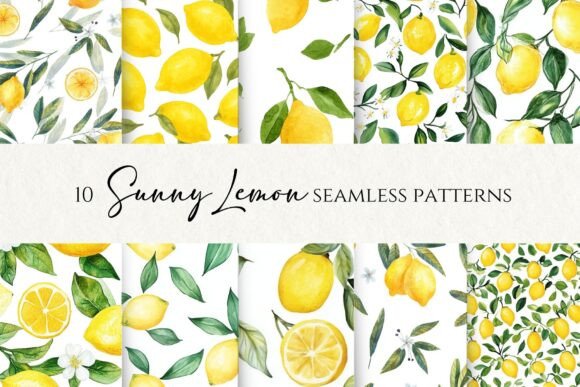
Watercolor Lemon Seamless Pattern: A Guide to Bright, Versatile Digital Design
In the world of digital design, few elements evoke the feeling of warmth and freshness quite like citrus. Among these, the watercolor lemon seamless pattern stands out as a particularly charming and versatile asset for creators, business owners, and hobbyists alike. Whether you are designing packaging for a new line of artisanal soaps, creating invitations for a summer wedding, or simply looking to add a touch of sunshine to your daily planner, this specific aesthetic offers a blend of artistic softness and structural utility.
This guide explores what makes watercolor lemon designs so effective, how they function technically, and where they shine in practical applications. By understanding the nuances of seamless tiling and the emotional impact of hand-painted textures, you can make informed decisions about incorporating these visuals into your projects.
The Appeal of Watercolor Citrus Aesthetics
Before diving into the technicalities of digital paper, it is important to understand why this style resonates with audiences. Watercolor art is characterized by its fluidity, transparency, and organic imperfections. When applied to a subject like lemons, these qualities create an immediate sense of approachability and authenticity.
Unlike vector graphics, which can sometimes feel rigid or overly polished, watercolor illustrations suggest a human touch. The soft bleeds of yellow against white, the subtle green hints of leaves, and the delicate rendering of lemon branches convey a sense of natural beauty. This aesthetic is particularly potent during the spring and summer months, seasons associated with growth, brightness, and renewal. For brands aiming to communicate freshness, health, or joy, a watercolor lemon seamless pattern serves as a visual shorthand for these positive attributes.
Emotional Resonance and Branding
Color psychology plays a significant role in design. Yellow is widely recognized as the most uplifting color, stimulating mental activity and generating muscle energy. It grabs attention and promotes cheerfulness. However, when rendered in a watercolor style, the intensity is tempered. It becomes less aggressive than a neon yellow and more sophisticated than a flat primary color. This balance allows the design to be eye-catching without being overwhelming, making it suitable for a wide range of commercial uses, from luxury skincare labels to casual blog headers.
Understanding Seamless Patterns and Digital Paper
For those new to digital design resources, the term "seamless pattern" might seem abstract. In essence, a seamless pattern is a digital image designed so that when it is repeated horizontally and vertically, the edges match perfectly. There are no visible breaks or lines where one tile ends and the next begins. This creates an infinite, continuous background that looks uniform regardless of the size of the canvas.
When combined with the concept of "digital paper," we are referring to high-resolution raster images (typically JPGs) that serve as backgrounds or textures. These files are not just decorative; they are functional tools. A standard set of digital papers often includes multiple variations—perhaps one featuring scattered whole lemons, another with sliced citrus, and a third with dense foliage. This variety allows designers to layer textures and create depth.
Technical Specifications That Matter
Not all digital downloads are created equal. When evaluating a product like a citrus digital paper pack, several technical specifications ensure usability:
- Resolution: Look for files with a resolution of 300 DPI (dots per inch). This ensures that when printed, the image remains crisp and clear. Low-resolution images will appear pixelated or blurry, especially when scaled up for large formats like fabric or wrapping paper.
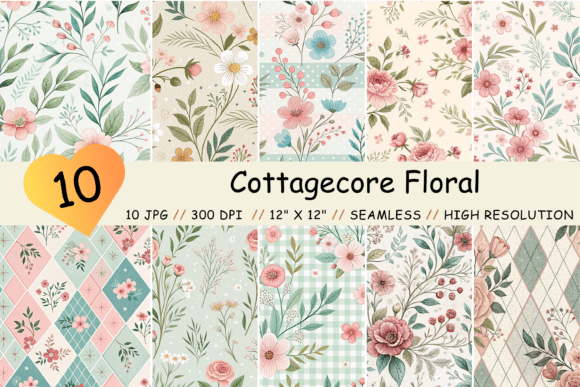
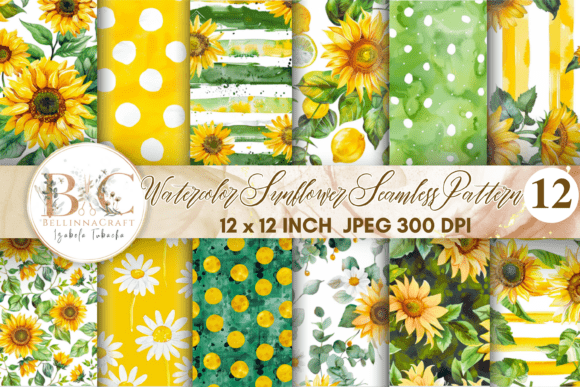
- Dimensions: A common standard for digital scrapbooking and print-on-demand is 3600 x 3600 pixels, which equates to 12 x 12 inches at 300 DPI. This square format is highly versatile, fitting well within standard layout grids for social media, websites, and physical prints.
- File Format: JPG is the most universally compatible format for raster images. While PNG supports transparency, seamless patterns usually require a solid background to tile correctly, making high-quality JPGs the preferred choice for most users.
Practical Applications Across Industries
The versatility of a summer fruit background extends far beyond simple decoration. Because the pattern is seamless, it can be scaled infinitely, allowing it to adapt to various mediums and purposes. Here are some specific scenarios where this resource proves invaluable.
Packaging and Product Design
Businesses selling food-related products, such as jams, lemonades, candles, or baked goods, often seek packaging that communicates natural ingredients. A lemon tree digital scrapbooking paper style provides the perfect backdrop for labels. The organic feel of the watercolor texture suggests that the product inside is handmade or artisanal. Furthermore, because the pattern repeats seamlessly, it can cover entire boxes, bags, or bottles without awkward cuts or mismatched edges.
Digital Content Creation
Content creators and bloggers frequently need engaging backgrounds for their posts. A watercolor lemon seamless pattern can serve as a header image for a blog post about summer recipes or a background for a Pinterest pin promoting a DIY project. The bright colors help content stand out in crowded feeds, while the professional quality elevates the perceived value of the creator’s brand.
Stationery and Invitations
For personal events, such as baby showers, bridal showers, or birthday parties, stationery sets benefit greatly from cohesive themes. Using matching digital papers for invitations, thank-you cards, and gift tags creates a unified look. The cheerful nature of lemons makes them particularly suitable for daytime events, garden parties, or spring celebrations.
Fabric and Textile Design
With the rise of print-on-demand services for apparel and home decor, independent designers can create their own clothing lines or pillow covers. A seamless citrus pattern is ideal for summer dresses, tote bags, or kitchen towels. The high resolution ensures that the fine details of the watercolor brushstrokes are preserved even when the image is enlarged to fit the dimensions of a T-shirt or a duvet cover.
Evaluating Suitability and Limitations
While watercolor lemon seamless patterns are broadly appealing, it is important to consider whether they align with your specific project goals. Not every brand identity benefits from a playful, fruity aesthetic. For instance, a corporate law firm or a high-tech software company might find the organic, whimsical nature of watercolor lemons too informal for their needs. In such cases, a more geometric or minimalist design would likely be more appropriate.
Additionally, consider the context of your audience. If your target demographic prefers sleek, modern, or monochromatic styles, the vibrant yellows and greens of a citrus theme might clash with their expectations. Always test the pattern in small sections before committing to a full-scale production run to ensure it complements other design elements like typography and logos.
Commercial Use Considerations
One of the key advantages of many digital paper packs is their licensing. Many creators offer their work for both personal and commercial use, meaning you can sell products made with these designs. However, it is crucial to read the terms of service carefully. Some licenses may restrict the number of physical items you can produce, prohibit resale of the digital file itself, or require attribution. Ensuring you have the right permissions protects your business from potential legal issues down the line.
Maximizing Value Through Instant Downloads
The convenience of instant download resources cannot be overstated. In a fast-paced creative environment, waiting for shipping or dealing with complex registration processes can hinder productivity. Receiving a PDF with a direct link to a Google Drive folder allows you to access your assets immediately after purchase. This streamlined process enables you to start designing right away, whether you are meeting a tight deadline or experimenting with new ideas.
Moreover, having a collection of ten different variations provides flexibility. You are not limited to a single look. You can mix and match different lemon motifs, layer them over other textures, or use them as standalone backgrounds. This variety maximizes the return on investment, giving you a toolkit of assets rather than just a single image.
Conclusion
The watercolor lemon seamless pattern represents more than just a pretty picture; it is a functional design element that brings warmth, freshness, and professionalism to a wide array of projects. From enhancing brand identity through packaging to adding visual interest to digital content, its applications are vast. By understanding the technical aspects of seamless tiling and recognizing the emotional impact of watercolor aesthetics, creators can leverage these resources to produce work that feels both authentic and engaging.
Whether you are a seasoned graphic designer or a hobbyist starting your first scrapbook, incorporating a citrus digital paper into your workflow can elevate your designs with minimal effort. As long as you consider your audience and project requirements, this sunny motif is sure to bring a bright, cheerful vibe to your creative endeavors.