Grandmillennial Blue Seamless Pattern
In the evolving landscape of visual design, finding a style that balances nostalgia with contemporary chic is essential for creating memorable brand identities. The Grandmillennial Blue Seamless Pattern offers exactly this balance, merging the timeless elegance of vintage aesthetics with the clean utility required for modern digital and print projects. For graphic designers and creative entrepreneurs, integrating such high-quality assets is not merely about decoration; it is about establishing a cohesive visual language that resonates with audiences seeking warmth, sophistication, and charm.
The Rise of Coquette and Vintage Aesthetics in Modern Branding
Design trends are cyclical, but certain styles endure because they tap into universal emotional responses. The "grandmillennial" aesthetic—often characterized by its love for traditional patterns, rich textures, and romantic motifs—has surged in popularity across social media platforms and editorial design. This style draws heavily from chinoiserie, damask, and classic florals, reinterpreting them through a lens that feels both curated and accessible.
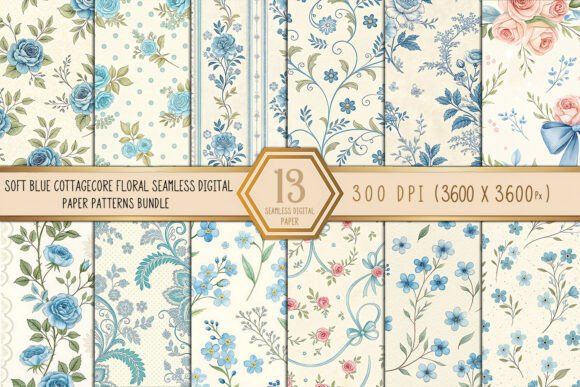
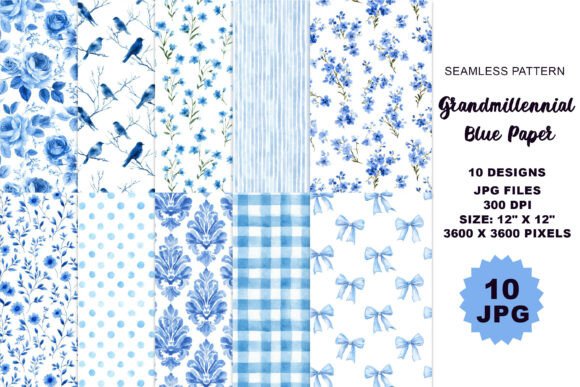
When applied to branding or personal creative projects, these elements create an immediate sense of trust and comfort. Unlike stark minimalist designs that can sometimes feel cold, the soft blues, delicate roses, and charming bluebirds found in this collection evoke a sense of heritage and care. For businesses in the lifestyle, beauty, or stationery sectors, adopting this visual tone can significantly enhance user engagement by fostering a deeper emotional connection with their audience.
Technical Specifications and Design Workflow Integration
From a technical standpoint, the usability of any design asset hinges on its resolution and versatility. This digital paper collection addresses the needs of professional workflows by providing 300 DPI JPG files at a standard 12 x 12 inches (3600 x 3600 px) size. This high resolution ensures that whether you are designing for web or large-format print, the output remains crisp and free of pixelation.
The seamless nature of these patterns is particularly valuable for designers working on:
- Packaging Design: Creating continuous wraps for boxes or labels without visible seams.
- Web and UI Design: Using subtle repeats as background textures that do not distract from primary content.
- Print Collaterals: Generating endless sheets for invitations, scrapbooks, or junk journals.
Practical Applications Across Creative Industries
The versatility of these blue digital papers extends far beyond simple crafts. In the realm of digital marketing, they serve as excellent backdrops for social media graphics, adding a touch of personality to promotional posts without overwhelming the text. For editorial design, these patterns can be used sparingly to accentuate quotes or section breaks, adding depth to magazine layouts or blog articles.
In the wedding and event industry, the coquette-inspired elements like bows and bluebirds are perfect for invitation suites and save-the-date cards. They provide a ready-made theme that couples and planners can build upon, ensuring consistency across all touchpoints—from the digital invite to the physical place cards. Similarly, for sublimation artists, these high-resolution files translate beautifully onto apparel, mugs, and home decor items, allowing creators to offer unique, aesthetically pleasing products that stand out in crowded marketplaces.
Evaluating Quality and Consistency in Design Assets
When selecting creative assets, it is crucial to evaluate how well they integrate with existing brand systems. A successful design choice should complement your typography and color palette rather than compete with it. The muted yet vibrant tones of the Grandmillennial Blue collection are designed to pair well with serif fonts, which enhance the vintage feel, or clean sans-serifs for a more modern twist.
Furthermore, consider the scalability of the patterns. While some motifs may work best as small accents, others might serve as dominant backgrounds. Testing these assets in various contexts helps determine their impact on readability and overall aesthetic harmony. By maintaining consistency in pattern usage, designers can reinforce brand recognition and ensure that every piece of communication feels part of a unified whole.