Music-Themed Seamless Papers: Strategic Design Tools for Creative and Professional Projects
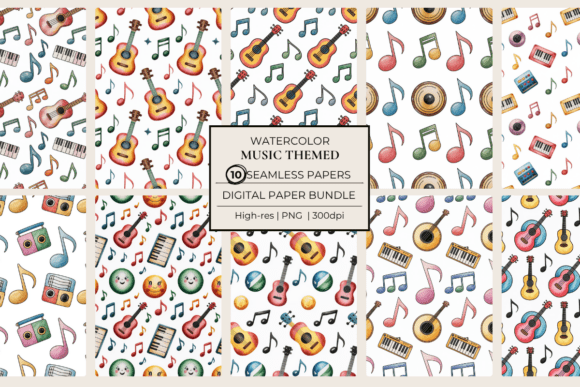
For designers, educators, entrepreneurs, and artists seeking to infuse rhythm and visual energy into their work, Music-Themed Seamless Papers offer a unique solution. These are not just decorative elements but strategic design assets that can elevate the aesthetics and functionality of various creative outputs. Featuring musical notes, clefs, instruments like guitars, pianos, and drums, as well as sound waves and melody-inspired icons, these seamless patterns provide a dynamic canvas for both digital and physical projects.
Why Music-Themed Seamless Papers Matter in Modern Design
In an era where branding and user experience are paramount, the right background can make a significant difference. Music-themed seamless papers serve as versatile tools that align with the thematic or emotional tone of a project. Whether you're creating promotional materials for a music festival or designing a planner for aspiring composers, these backgrounds bring a sense of purpose and identity to your visuals.
Their value lies in the seamless repeat format — this ensures that when tiled across large surfaces or screens, there is no visible breakage or distortion. This makes them ideal for applications ranging from event flyers to packaging, where consistency and clarity are key to professional results.
Strategic Use Cases Across Industries
- Event Promotion: For marketers promoting concerts, festivals, or workshops, using a pattern featuring sound waves or musical notes can immediately signal the theme and generate interest.
- Education and Classroom Décor: Educators in music schools or general classrooms can incorporate these designs into posters, handouts, or wall art to stimulate creativity and engagement among students.
- Personal Creativity and Planning: Musicians and hobbyists often benefit from visual environments that inspire focus and imagination. A music-themed planner or journal background can help maintain motivation and structure during long-term creative processes.
- Product Packaging and Branding: Small business owners in the music industry, such as instrument retailers or headphone brands, can use these patterns to differentiate their products visually and create a cohesive brand identity.
- Digital Content Creation: Bloggers, YouTubers, and podcasters can enhance their websites or social media templates with abstract rhythms or melody icons to reflect their content's essence.
Planning Thoughtfully with Music-Themed Seamless Papers
When integrating Music-Themed Seamless Papers into your workflow, it's essential to consider how they align with your goals. Begin by identifying the primary message or emotion you want to convey. For instance, a classical music layout might benefit from elegant sheet-music doodles, while a rock band poster could thrive on bold guitar motifs and vibrant stars.
Consider the following planning steps:
- Define the Purpose: Are you aiming to promote a product, educate a group, or express personal creativity? The answer will shape which patterns you choose.
- Select Appropriate Elements: Opt for patterns that include relevant symbols — microphones for live events, headphones for audio-related services, or abstract rhythms for more modern, artistic layouts.
- Maintain Visual Balance: While the patterns are lively, ensure they don’t overwhelm other design elements. Use color overlays or adjust transparency to keep the focus on text or images.
- Test Across Formats: Since these papers come in high-resolution PNGs at a 3:4 ratio, test them in different contexts (print vs. digital) to confirm they deliver the intended impact without compromising quality.
Design Decisions That Drive Better Outcomes
A thoughtful approach to using Music-Themed Seamless Papers involves understanding the psychology behind visual communication. Music is inherently emotional and symbolic; therefore, the choice of background should reinforce the desired sentiment. For example, a soft piano pattern may be better suited for a quiet, introspective blog post about songwriting, whereas a pulsating sound wave texture might resonate more with a high-energy sports event playlist guide.
Additionally, consider the audience’s expectations. If your target demographic is young musicians or tech-savvy listeners, a contemporary look with electric guitar silhouettes or beat-based textures may be more effective. Conversely, if your project appeals to classical music enthusiasts, subtle sheet-music lines or orchestral instrument motifs can enhance credibility and aesthetic harmony.
Risks of Random Application and How to Avoid Them
While the allure of these patterns is undeniable, applying them randomly without context can lead to poor design outcomes. A mismatched background can distract viewers, dilute the message, or even confuse the brand identity. To avoid these pitfalls, always ask:
- Does the pattern support the overall theme?
- Will it remain legible when overlaid with text or graphics?
- Is it scalable and adaptable to different sizes and formats?
One common mistake is selecting overly busy designs for small print materials like stickers or invitations. In such cases, simplicity is key. Look for variations that have enough detail to add interest without overwhelming the eye. Another risk is using multiple patterns together without considering contrast and cohesion. Stick to one dominant pattern per design unless you’re confident in advanced layering techniques.
Real-World Applications and Decision-Making Guidance
Let’s explore some practical examples of how Music-Themed Seamless Papers can be used intentionally:
- Invitations: For a music-themed birthday party or wedding reception, a background with subtle note patterns and soft gradients creates an engaging yet elegant invitation.
- Classroom Resources: Teachers can use drumbeat or clef-based patterns on worksheets or flashcards to help students associate concepts with familiar symbols, improving learning retention.
- Marketing Materials: Entrepreneurs launching a new music app or online course can integrate these designs into landing pages and email templates to build a consistent, inspiring brand image.
- Interior Design: Freelancers working on café or studio interiors might use printed seamless paper with melody icons or sound wave patterns as part of the décor to foster a creative atmosphere.
Each of these scenarios requires a tailored decision-making process. Start by defining the core objective of the project. Then, assess which aspects of music best represent those goals. Finally, select a pattern that complements the existing design language rather than competing with it.
Long-Term Value and Creative Sustainability
Investing in Music-Themed Seamless Papers isn't just about short-term aesthetics — it's also about building a sustainable creative toolkit. These patterns can be reused across multiple projects, saving time and effort in the long run. Their versatility allows for repurposing in different ways, whether through sublimation printing for merchandise or as digital wallpapers for productivity apps.
Moreover, because they come in a 3:4 ratio and high-resolution PNG format, they are future-proof for evolving design standards. As trends shift toward more personalized and thematic experiences, having access to high-quality, customizable music-based textures positions you ahead of the curve.
How to Maximize Productivity and Branding Consistency
To achieve lasting value, treat these papers as part of your broader design strategy:
- Create a Pattern Library: Organize the available options by category (e.g., classical, pop, electronic) and mood (calm, energetic, playful) to streamline future selections.
- Align with Brand Guidelines: Ensure that the chosen patterns match your brand’s color palette and typography. Adjust hues or saturation levels if necessary to maintain visual harmony.
- Use as a Base Layer: Instead of relying solely on the pattern, let it serve as a foundation upon which you layer other design elements like photography, illustrations, or call-to-action buttons.
- Monitor Audience Feedback: After implementation, track how users respond to the visual elements. A/B testing can reveal which patterns drive higher engagement or conversions.
Choosing the Right Time and Context
Knowing when to apply Music-Themed Seamless Papers is just as important as knowing how. These designs shine in contexts where music plays a central role, such as:
- Album covers and liner notes
- Music school brochures and lesson plans
- Podcast or YouTube thumbnails
- Merchandise for bands or music festivals
- Interactive music journals or planners
However, they can also be used metaphorically in non-musical projects. For instance, a wellness brand focusing on rhythmic breathing or meditation might find inspiration in sound wave motifs to symbolize balance and flow. Always evaluate whether the pattern enhances the narrative or adds unnecessary complexity.
Practical Tips for Implementation
Here are a few actionable tips to help you implement these seamless papers effectively:
- Start with Minimalism: Test a simple pattern first before adding intricate layers. This helps determine how much visual stimulation your audience can handle.
- Pair with Strong Typography: Choose fonts that stand out against the pattern. Sans-serif fonts tend to perform better on textured backgrounds due to their clean lines.
- Utilize Transparency: Apply a semi-transparent overlay to control contrast and readability, especially when placing text over the pattern.
- Optimize for Print and Digital: Always check how the pattern looks in both mediums. Some details may not translate well from screen to paper, and vice versa.
Beyond Aesthetics: Enhancing Communication and Engagement
Visual elements like Music-Themed Seamless Papers do more than catch the eye — they communicate values and evoke emotions. When used strategically, they can become powerful tools for storytelling and engagement. A background with a repeating melody motif subtly reinforces the idea of continuity and harmony, which may be useful for campaigns around community, collaboration, or legacy.
Freelancers and professionals who work across multiple platforms — from print to web — should consider these patterns as part of their cross-channel design strategy. A consistent visual language across all touchpoints builds trust and recognition, which are critical components of successful branding.
Final Considerations for Smart Usage
Before committing to a specific pattern, take time to analyze its potential impact. Ask yourself:
- Will this background enhance or hinder the user experience?
- Does it align with my brand voice and messaging?
- Can it be adapted for future projects with minimal rework?
By answering these questions, you ensure that your use of Music-Themed Seamless Papers is intentional and impactful. These aren’t just decorative choices — they are strategic decisions that contribute to the success of your creative or commercial ventures.
With careful planning and thoughtful application, Music-Themed Seamless Papers can transform your projects from ordinary to extraordinary, bringing rhythm, creativity, and artistic energy exactly where they’re needed most.